Education
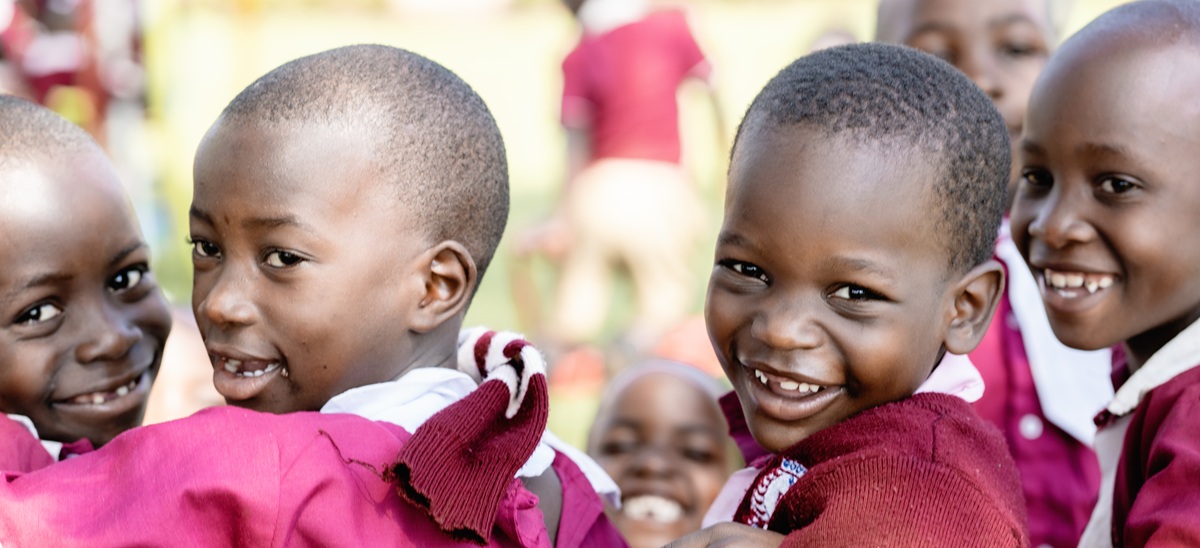
Uganda’s education system comprises Early Childhood Development (ECD) centers, primary, secondary, and tertiary institutions. In Kamuli MC, the majority of ECD centers are privately owned, with an estimated 35 centers distributed across the Northern and Southern divisions. Challenges faced by these centers include inadequate facilities, a shortage of trained caregivers, and limited parental awareness of the importance of early childhood education.
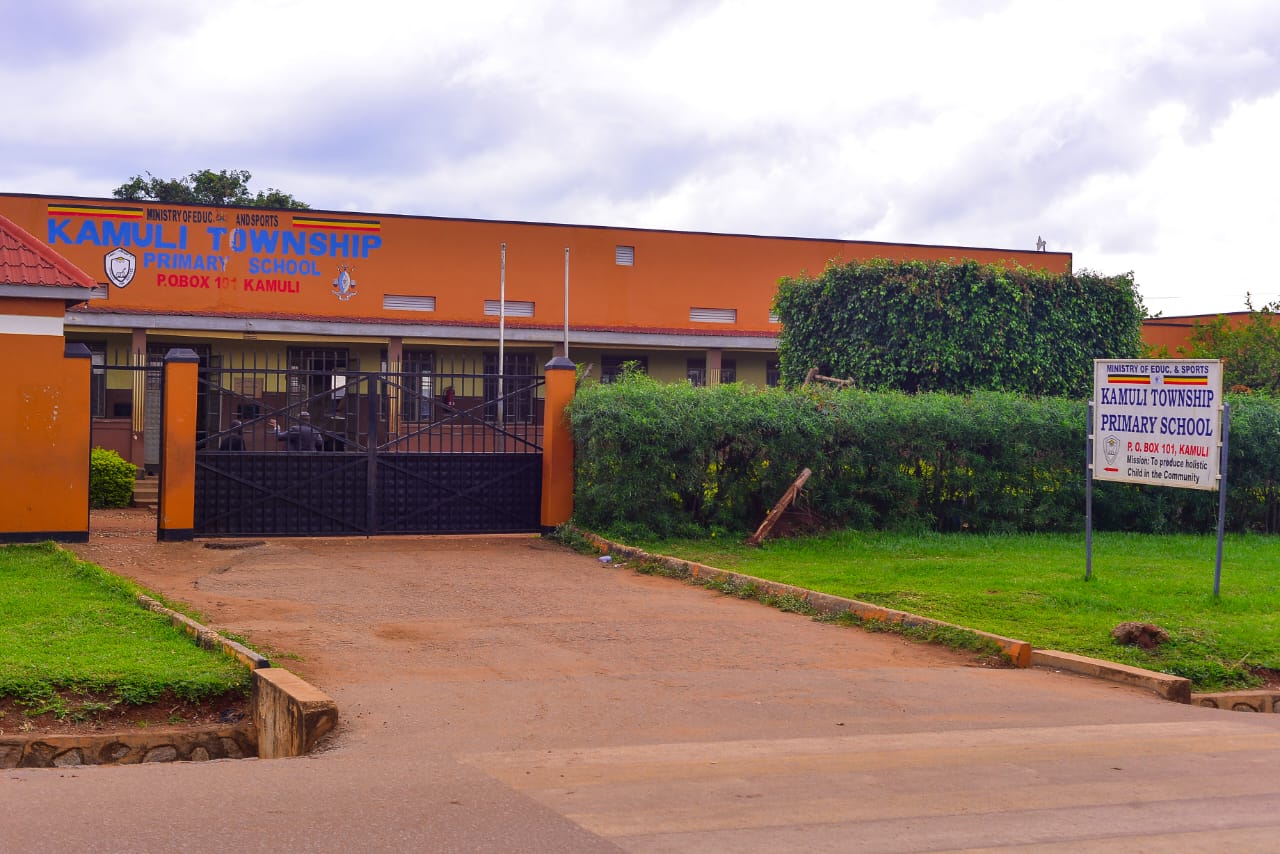
Kamuli Municipality has a fairly developed education infrastructure comprising both government and private institutions. There are 20 government-aided primary schools and 12 private primary schools, serving a total enrolment of 14,832 learners (7,412 boys and 7,420 girls). At the secondary level, the municipality has 3 government-aided and 8 private schools, with a combined enrolment of 7,921 students (3,872 males and 4,049 females). Despite this coverage, the transition rate from primary to secondary school remains low at 53.6%, which is below the national average, indicating significant retention and progression challenges.
Regarding primary education, Kamuli MC has 52 primary schools: 20 government-aided, 8 community-founded, and 24 privately owned. Infrastructure challenges are prevalent, particularly in densely populated areas where some schools operate in congested environments with limited classroom space and inadequate sanitation facilities
Distribution of Schools by Category and Ownership
| Category | Government | Community | Private | Total |
| ECD | 0 | 0 | 35 | 35 |
| Primary | 20 | 8 | 24 | 52 |
| Secondary | 3 | 0 | 8 | 11 |
| BTVET | 1 | 0 | 2 | 3 |
| Total | 24 | 8 | 69 | 101 |
Source: Municipal Education Office, 2024
Primary school enrollment under the Universal Primary Education (UPE) program stands at approximately 30,000 pupils, reflecting the growing population in urbanizing areas. The municipality faces high pupil-to-classroom (1:70) and pupil-to-latrine stance ratios (1:60), which exceed national standards and strain learning outcomes.
Secondary education is steadily expanding, with over 15 secondary schools spread across the Northern and Southern Divisions, including institutions supported under the Uganda Intergovernmental Fiscal Transfers (UGIFT) programme. The presence of these schools provides opportunities to increase access to lower secondary education and reduce distances traveled by learners.
The municipality also hosts several tertiary and vocational training institutions, including Busoga University (currently under rehabilitation), TEAM University, Markland Training Institute, and YMCA Kamuli Branch. These institutions provide training in ICT, business, agriculture, and vocational skills, supporting youth skilling and employability.
However, the education sector still faces several challenges. Many secondary schools operate with limited infrastructure, inadequate classrooms, and shortages of qualified teachers, especially in science subjects. High dropout rates, driven by poverty, early marriages, and limited parental involvement, also undermine learning outcomes. Addressing these gaps through infrastructure investment, teacher recruitment, school feeding programmes, and community engagement is essential to improve access, retention, and quality of education in Kamuli Municipality.