Water, Sanitation, and Hygiene (WASH)
Water, Sanitation, and Hygiene (WASH)
Kamuli MC has piped water coverage in most urbanized areas but with limited access in peri-urban wards
Distribution of Water Sources by Division
| Division | Boreholes | Pipe Water Points | Rainwater Tanks | Springs | Total Sources |
| North | 62 | 04 | 18 | 5 | 89 |
| South | 44 | 02 | 12 | 3 | 61 |
| Total | 106 | 06 | 30 | 8 | 150 |
Source: Kamuli MC Works Department, 2024
Access to safe water in Kamuli Municipality has improved over the years. The average safe water coverage in the Municipality is estimated at 87%, with Northern division slightly better served than Southern division due to terrain and water table differences. The town is served by piped water systems managed by National Water and Sewerage Corporation (NWSC), in addition to boreholes and protected springs.
Sanitation coverage remains a challenge, with an average latrine coverage of 76%, and an open defecation rate of about 5%, especially in informal settlements and peri-urban areas. Poor solid waste management and weak enforcement of sanitation by-laws continue to affect public health.
Most households in Kamuli MC use pit latrines and septic tanks. The municipality lacks a centralized sewage system. In Southern Division, high water tables and shallow wells compound sanitation risks. Key issues: Pollution of shallow wells in areas like Busota; Unsafe disposal of grey water from salons, restaurants and garages; and Lack of regulation for informal pit latrine construction
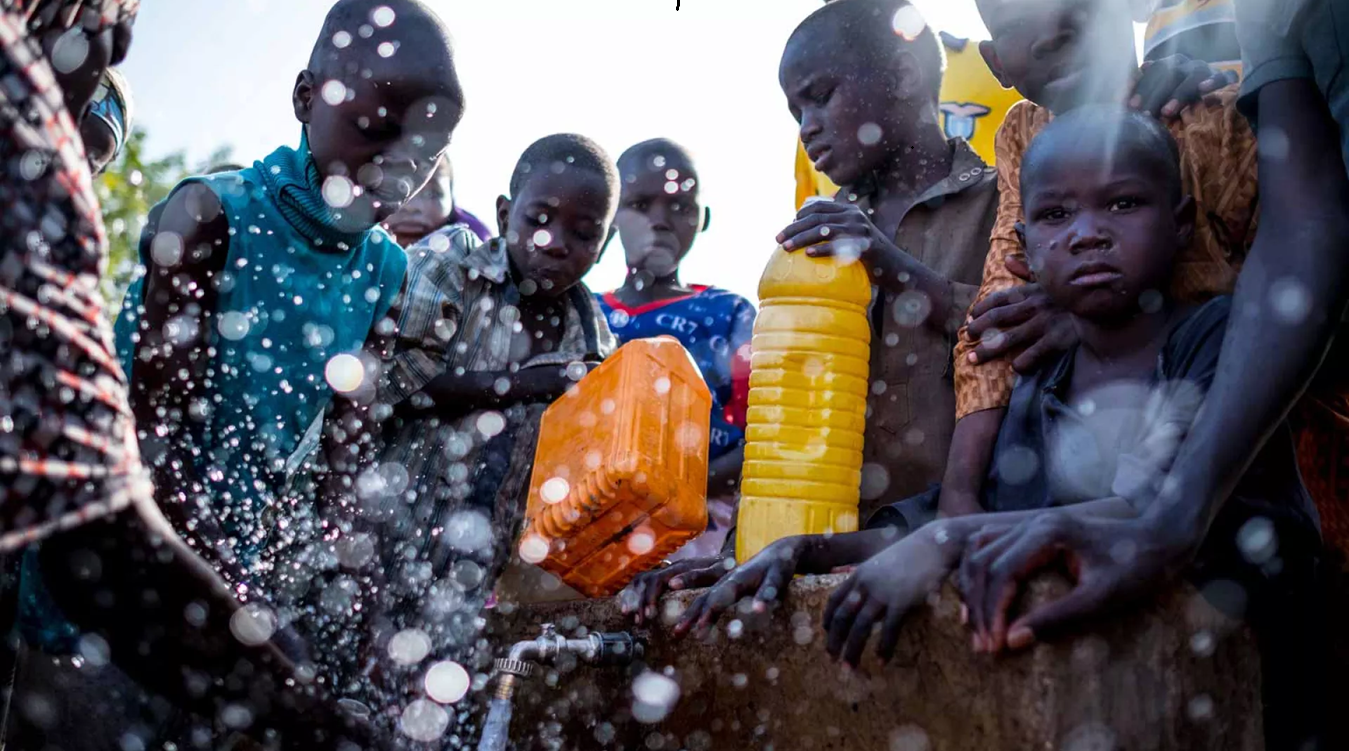
Latrine coverage in the municipality stands at 75%, but handwashing facilities are only available in about 30% of households. Informal settlements experience open defecation due to inadequate WASH infrastructure. The burden of water collection primarily affects women and children in these areas, while persons with disabilities face accessibility challenges.